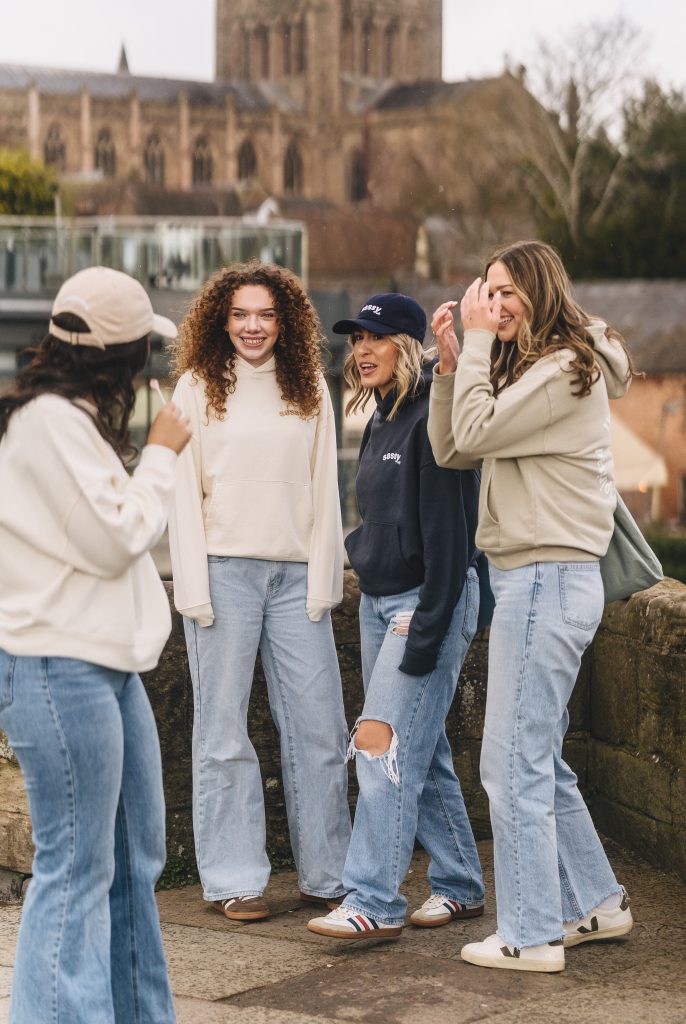
Organic cotton isn’t just a label we liked the sound of. It was a decision that came from actually going to look, standing in a showroom, seeing the operation for ourselves and knowing, pretty immediately, that this was the only choice that made sense for sassy adj.
What we found when we went looking
When we started building the Day One Collection, we knew we wanted to get the fabric right. So we went looking properly, visiting showrooms, asking questions, pressing for detail. What we found wasn’t a back-road factory with a certificate stuck on the wall. It was a slick, high-end operation run by people who clearly knew everything there was to know about what they were doing.
The ethics, the knowledge and the quality of what they produced made the decision simple. There was no real deliberation at the end of it. We’d seen what was possible, and anything less would have felt like a compromise we weren’t willing to make.
What organic certification actually means
A lot of clothing gets called organic when really it just means the raw cotton was grown without pesticides. That’s a start, but it’s not the whole story. True organic certification follows the garment all the way through, from the field to the finished piece, and every stage has to meet the standard, not just the beginning of it.
For sassy adj, that means no pesticides in the growing, no chemical dyes in the finishing and even the threads used in construction are part of the same certified process. It’s clean all the way through, assessed and verified at every point rather than simply labelled at the end. That’s the difference that matters, and it’s the difference that’s easy to miss if you’re not looking for it.
The organic cotton environmental impact of that approach is real and significant. Conventional cotton farming is one of the most chemically intensive processes in the textile industry. Choosing certified organic changes that story at the root, not just at the surface.
Why it feels the way it feels
There’s a reason organic cotton fabric has a reputation for being softer than its conventional counterpart, and it comes down to the process. When fibres aren’t stripped and treated with harsh chemicals, they stay longer, smoother and more natural. The result is something that feels extraordinarily soft against your skin, not in a delicate way that won’t last, but in a way that holds up wash after wash and gets better the more you wear it.
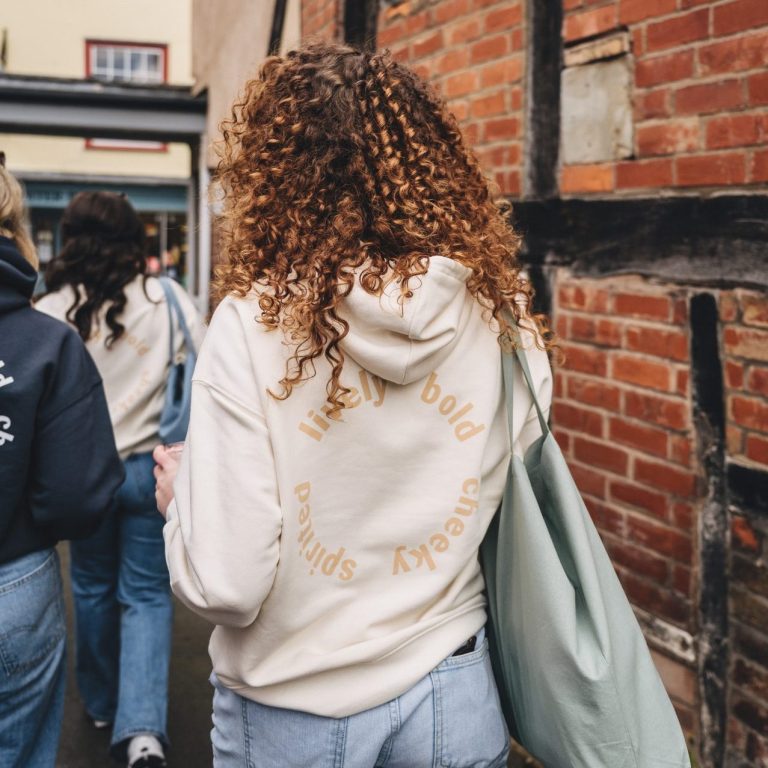
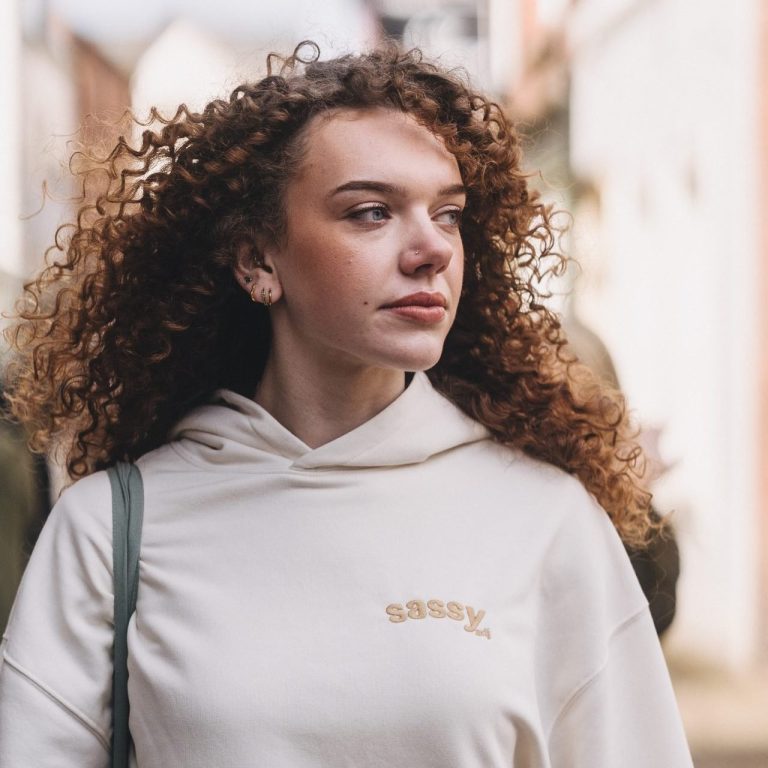
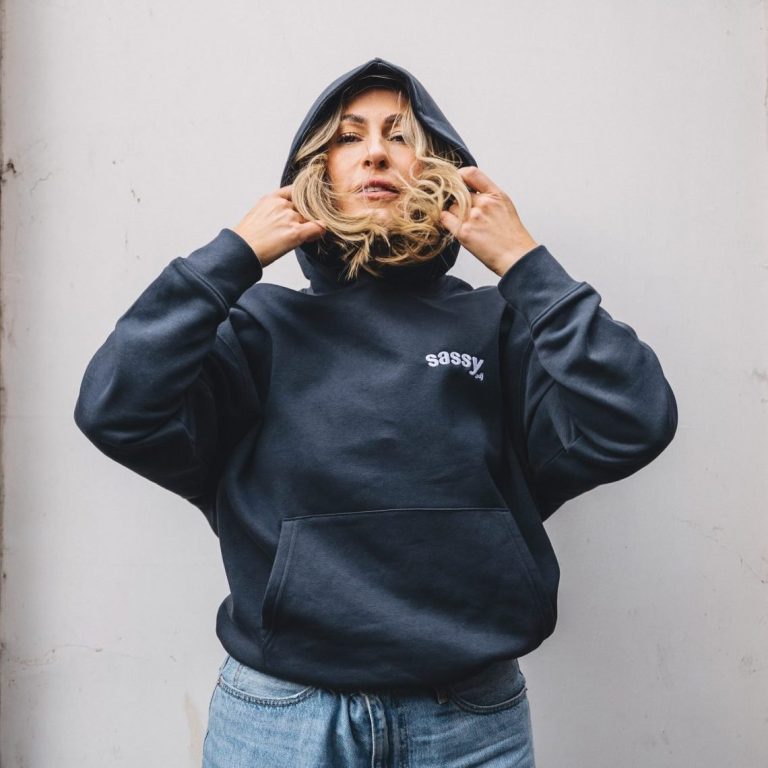
That softness isn’t a finishing trick. It’s what the fabric actually is when it’s been handled properly from the start. You notice it the first time you pull on one of our hoodies or sweatshirts, and it’s still there months later. Clothes built to last, that you actually want to keep wearing, are clothes worth choosing.
Why the price reflects the choice
Organic cotton clothing in the UK costs more to produce than conventional alternatives, and it’s worth being straightforward about that. The certification is rigorous, the process is thorough and the standards don’t allow for shortcuts. When you pay for a sassy adj piece, you’re paying for everything that went into making it right, not just the fabric you can see.
It’s also worth saying that we’re not interested in guilt or lectures. Wearing organic cotton doesn’t have to be a statement or a sacrifice. It can just be a quiet, good choice, something that feels better on your skin and sits better in your mind, made by a brand that went and checked rather than just hoped for the best.
That’s what the Day One Collection is built on. If you’d like to take a look for yourself, everything is waiting for you at sassy adj.